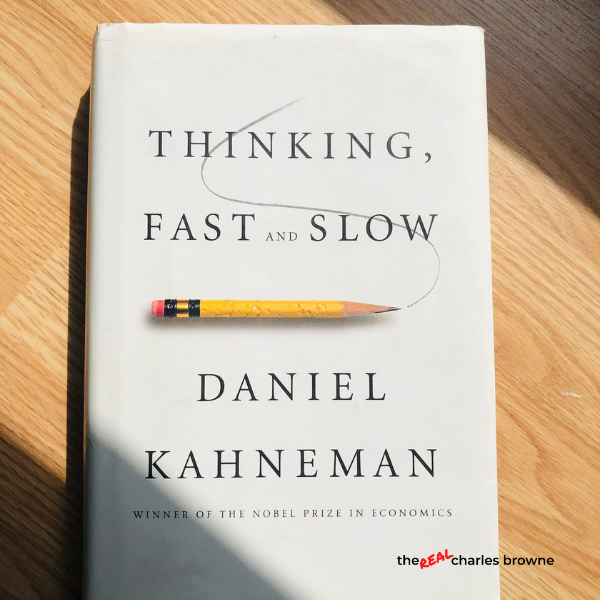
Have you ever found yourself wondering why you make the decisions you do? What about those times when your brain seems to have a mind of its own? Enter the fascinating world of “Thinking, Fast and Slow” by Daniel Kahneman. This groundbreaking book peels back the layers of human cognition and reveals the intricate dance between intuition and logic. Buckle up as we explore this riveting exploration of the mind, peppered with a dash of humor, a sprinkle of professional insight, and a hearty dose of engaging anecdotes.
What’s the Deal with Our Brain’s Two Systems?
So, what’s the big idea behind Kahneman’s magnum opus? At its core, the book introduces us to two main characters in the drama of our minds: System 1 and System 2. System 1 is that intuitive, automatic, and often emotionally charged part of our cognition that operates without us noticing—like autopilot. On the other hand, System 2 is the deliberate, analytical, and somewhat lazy part of our brain that kicks in when serious mental effort is required. Think of them as the hare and the tortoise in the race of our mental processes.
Unveiling the Secrets of Snap Judgments
Ever wondered why you instantly liked someone at a party without knowing much about them? Or why a particular brand of cereal caught your eye on the grocery shelf? That’s System 1 at work. It’s quick, it’s slick, and it makes a ton of decisions based on quick scans and past experiences. But here’s the kicker: it’s not always right. Through various studies and examples, Kahneman shows us how our gut feelings can lead us astray, especially in complex situations. Remember the last time you flubbed a question because your gut was too confident? Yup, that’s System 1, folks!
The Deliberate Pace of Rational Thinking
Then there’s System 2, the diligent bean-counter of the mind. This system is called into action when paying taxes, deciding on a mortgage, or trying to solve a tricky puzzle. It’s methodical, slow, and, let’s be honest, it can be a bit of a drag. But we need it! Without System 2, we’d all make hasty decisions based on incomplete information. Have you ever caught yourself almost running a red light and had to pull back at the last moment? Thank System 2 for that life-saving intervention.
Navigating the Highs and Lows of Heuristics
“Heuristics,” you say? These are the shortcuts our brains use to make quick decisions. Sounds handy, right? Well, not so fast. While heuristics can save us a lot of time, they often come at the cost of accuracy. Kahneman takes us through a rollercoaster ride of common heuristics like the availability heuristic, where we judge the frequency of events by how easily examples come to mind. Remember thinking shark attacks were common after watching “Jaws”? Classic availability heuristic at play!
When Overconfidence Takes the Wheel
Confidence is great, but overconfidence? Not so much. Kahneman details how our overconfidence in personal beliefs can cloud our judgment. This is especially dangerous in the financial market, where overconfident traders might take risky bets based on past wins rather than sound analysis. What about doubling down on a losing bet just because you felt “lucky”? That’s overconfidence tapping you on the shoulder, whispering sweet nothings about your invincibility.
The Anchoring Effect: Don’t Get Tied Down
Here’s a fun experiment: next time you negotiate a price, throw out the first number and see how the discussion revolves around it. That’s anchoring! Kahneman shows us how initial impressions, estimates, or data points can heavily influence our subsequent thoughts and decisions. It’s like when you see a shirt marked down from $100 to $30, and you feel like it’s a steal—it’s all because your mind was anchored to that $100 price tag.
Wrapping It Up: Why This Book Matters
In wrapping up this whirlwind tour of “Thinking, Fast and Slow,” it’s clear that Kahneman doesn’t just offer us a book; he hands us a manual to better understand and perhaps even master our minds. By recognizing when to trust our intuition and when to engage our analytical brains, we can make better decisions, be more creative, and understand others more effectively.
This book isn’t just about psychology; it’s about empowering us to live more mindful and effective lives. Whether you’re a marketer trying to understand consumer behavior, a decision-maker weighing risks and benefits, or someone trying to figure out why you ate that third slice of cake (we’ve all been there), Kahneman’s insights are invaluable.
So, the next time you find yourself on autopilot, remember the lessons from “Thinking, Fast and Slow.” Engage that System 2 a little more, question your gut feelings a bit, and maybe, just maybe, you’ll find yourself making smarter decisions that lead to a happier, more aware life. After all, who doesn’t want to outsmart their brain from time to time?