Success isn’t just about technical skills and expertise in today’s professional world. Emotional intelligence (EI) is a critical factor that can elevate your career, improve workplace relationships, and make you a more effective leader. Let’s dive deep into emotional intelligence, its benefits, and how you can master it.
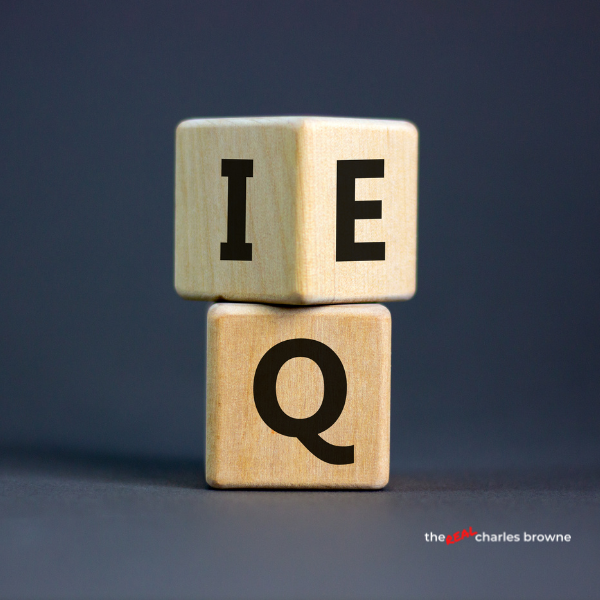
Understanding Emotional Intelligence for Workplace Growth
What is Emotional Intelligence (EI) and Why It Matters in the Workplace?
Emotional Intelligence refers to the ability to recognize, understand, manage, and influence your own emotions while being attuned to others’ emotions. Coined by psychologists Peter Salovey and John Mayer and popularized by Daniel Goleman, EI has become a cornerstone for personal and professional development.
Importance of Emotional Intelligence in Professional Success
Why does EI matter in the workplace? Because it impacts everything—team dynamics, leadership effectiveness, and even your own career growth. Professionals with high EI tend to navigate workplace challenges better, maintain harmonious relationships, and inspire their colleagues.
Key Components of Emotional Intelligence for Career Growth
Developing Self-Awareness for Professional Success
Understanding your emotions is the foundation of emotional intelligence. Self-awareness requires more than just recognizing your feelings; it’s about analyzing how they influence your thoughts, decisions, and interactions. For instance, noticing you’re stressed before a big meeting allows you to address that stress proactively—perhaps by practicing deep breathing or reviewing your notes. Self-aware professionals can identify their strengths and weaknesses, which is crucial for personal and career growth. This awareness not only boosts confidence but also helps in navigating complex workplace dynamics effectively.
Mastering Self-Regulation for Workplace Harmony
Self-regulation involves controlling impulsive behaviors, staying composed under pressure, and reacting constructively to challenges. Imagine facing a heated discussion during a team meeting. Instead of lashing out or shutting down, self-regulation allows you to pause, reflect, and respond calmly. Techniques like mindfulness, journaling, or simply taking a moment to step back can help. Professionals who master self-regulation are seen as reliable, level-headed, and trustworthy—traits that are invaluable for fostering workplace harmony and resolving conflicts.
The Role of Empathy in Building Strong Workplace Relationships
Empathy is the ability to understand and share the feelings of others. It goes beyond sympathy by actively putting yourself in someone else’s shoes. For example, when a colleague struggles with a personal issue, showing empathy can mean offering support or a listening ear without judgment. In a professional context, empathy fosters stronger bonds, improves collaboration, and minimizes misunderstandings. Leaders who demonstrate empathy create inclusive environments where employees feel valued and motivated to contribute their best efforts.
Enhancing Social Skills for Career Advancement
Social skills are the glue that holds professional relationships together. These include effective communication, conflict resolution, and the ability to influence others positively. A professional with strong social skills can navigate workplace politics, mediate disputes, and inspire trust among peers. For instance, organizing a successful team project requires coordination, delegation, and diplomacy—all hallmarks of great social skills. Strengthening these skills enhances your reputation as a team player and positions you for leadership opportunities.
Harnessing Motivation to Achieve Professional Success
Intrinsic motivation—the inner drive to achieve goals—plays a pivotal role in career advancement. Unlike external rewards like promotions or bonuses, intrinsic motivation stems from a genuine passion for growth and excellence. Professionals with high motivation set ambitious yet realistic goals, maintain focus amidst setbacks, and consistently strive to improve. For example, pursuing a certification to enhance skills, even when it’s not required, demonstrates a commitment to growth. Such motivation inspires others and positions you as a leader in your field.
Benefits of Emotional Intelligence in Leadership and Teamwork
How Emotional Intelligence Boosts Leadership Skills
Leaders with emotional intelligence inspire trust and loyalty among their teams. They balance compassion with authority, understanding their team’s strengths while addressing weaknesses constructively. For example, a leader who notices an employee struggling with a task might provide mentorship instead of criticism, fostering growth rather than resentment. This empathetic approach enhances morale, boosts productivity, and creates a culture of mutual respect and collaboration.
The Impact of Emotional Intelligence on Team Collaboration
Teams with high emotional intelligence communicate openly, respect diverse perspectives, and work towards shared goals. EI fosters a culture where team members feel comfortable expressing their ideas and concerns, leading to innovative solutions. Consider a team brainstorming session where everyone’s input is valued. Such inclusive dynamics create harmony and drive success. Emotional intelligence also helps resolve misunderstandings quickly, keeping the team focused on its objectives.
Using Emotional Intelligence for Effective Conflict Management
Conflict is inevitable in any workplace, but emotional intelligence makes it manageable. High EI professionals approach conflicts with a calm and solution-oriented mindset. For example, instead of assigning blame during a disagreement, they focus on understanding each party’s perspective and finding common ground. This approach not only resolves disputes efficiently but also strengthens relationships. A workplace that embraces conflict management through EI fosters a positive and collaborative environment.
Improving Decision-Making with Emotional Intelligence
Decision-making is at the heart of professional success, and emotional intelligence provides the clarity needed to make sound choices. By understanding emotions—both your own and others’—you can assess situations objectively and avoid rash judgments. For instance, a manager deciding on budget cuts might consider the emotional impact on their team and find ways to minimize stress while achieving financial goals. Balancing empathy with logic ensures decisions are fair, well-reasoned, and supported by those involved.
Emotional Intelligence Coaching: An Overview
What is Emotional Intelligence Coaching?
EI coaching focuses on enhancing your ability to manage emotions and build stronger relationships. Coaches provide tailored strategies to help individuals excel in their personal and professional lives.
How Coaching Helps in Developing EI
Through personalized feedback and structured exercises, coaching helps uncover emotional blind spots and develop essential EI skills.
Types of Emotional Intelligence Coaching
- Individual coaching sessions.
- Group workshops.
- Digital programs and webinars.
How to Cultivate Emotional Intelligence
Strategies for Self-Improvement
Begin by journaling your emotions, identifying patterns, and practicing mindfulness techniques to gain clarity.
Building Empathy Through Active Listening
Listening with intent helps you understand others’ perspectives and build trust.
Strengthening Social Connections
Engage in meaningful conversations and maintain an open-minded approach to foster healthy workplace relationships.
The Role of Feedback in EI Development
Seeking feedback from colleagues and mentors is invaluable for identifying areas of improvement.
Emotional Intelligence for Leadership Development
Why Leaders Need EI
Leadership isn’t just about giving orders or achieving goals; it’s about inspiring and guiding a team toward a shared vision. Leaders with high EI can empathize with their team members, manage stress effectively, and navigate workplace challenges with ease. Their emotional insight enables them to build trust and foster an inclusive environment.
Emotional Intelligence Traits of Great Leaders
Great leaders exhibit traits such as self-awareness, resilience, adaptability, and empathy. They use these skills to create a workplace culture that encourages innovation, collaboration, and mutual respect.
For example, a leader with high EI might recognize when their team feels overwhelmed and adjust workloads or provide resources to support mental well-being. This proactive approach boosts morale and productivity.
Overcoming Challenges in Building Emotional Intelligence
Common Barriers to EI Development
Developing emotional intelligence is not without its hurdles. Common barriers include:
- Resistance to self-reflection.
- Difficulty in accepting constructive criticism.
- Lack of time or resources to focus on personal growth.
These obstacles can hold you back from unlocking your full potential. Recognizing them is the first step towards improvement.
Breaking Emotional Habits That Hold You Back
We all have habits that hinder emotional growth, such as reacting impulsively or avoiding confrontation. By practicing mindfulness and self-regulation techniques, you can gradually replace these habits with more constructive behaviors.
Measuring and Evaluating Emotional Intelligence
Tools and Techniques for Assessing EI
There are several ways to measure emotional intelligence, including:
- Self-Assessment Tests: Tools like the Emotional Quotient Inventory (EQ-i) offer insights into your EI strengths and weaknesses.
- 360-Degree Feedback: Gathering input from colleagues, supervisors, and team members provides a comprehensive view of your emotional impact.
Using Feedback and Self-Reflection for Growth
Feedback is a powerful tool for EI development. Pairing it with regular self-reflection allows you to identify emotional patterns, adjust your approach, and continuously grow.
Real-Life Examples of Emotional Intelligence at Work
Success Stories in Leadership
Consider a manager who notices a team member struggling with personal challenges. Instead of ignoring the issue, the manager offers support and flexibility, boosting the employee’s morale and loyalty. This act of empathy reflects the power of emotional intelligence in leadership.
Transforming Team Dynamics
In a workplace with high EI, team members are more likely to share ideas openly, resolve conflicts amicably, and collaborate effectively. Teams led by emotionally intelligent leaders often outperform those that lack this critical element.
Emotional Intelligence and Career Advancement
Why EI Matters More Than IQ
While technical skills and intelligence are essential, they only take you so far. Emotional intelligence plays a far greater role in building relationships, managing stress, and navigating workplace challenges—all of which are crucial for long-term career success.
Linking EI with Job Performance and Satisfaction
Studies have shown that professionals with high EI tend to achieve higher job satisfaction and performance levels. By managing emotions effectively, they excel in their roles and create positive impressions on peers and superiors.
Tools and Resources for Building Emotional Intelligence
Books and Online Courses
- Books: Emotional Intelligence 2.0 by Travis Bradberry and Jean Greaves and Emotional Intelligence by Daniel Goleman.
- Courses: Platforms like Coursera and Udemy offer dedicated EI development courses.
Apps and Digital Tools
Apps like Moodfit, Headspace, and MindTools provide resources for practicing mindfulness, tracking emotional patterns, and developing EI skills.
The Future of Emotional Intelligence in Professional Settings
EI in a Digital Workplace
As technology reshapes the workplace, EI remains indispensable. Virtual teams and remote work environments demand even higher levels of empathy, adaptability, and communication skills.
The Role of EI in Remote Work Environments
Professionals who excel in emotional intelligence can bridge the gap created by physical distance, ensuring strong relationships and effective collaboration even in remote setups.
Emotional Intelligence Coaching for Professional Success
How to Choose the Right Coach
Selecting the right coach involves assessing their qualifications, experience, and approach. Look for professionals who specialize in workplace EI and offer personalized strategies tailored to your goals.
Steps to Begin Your EI Coaching Journey
- Identify your EI development goals.
- Research and shortlist coaches or programs.
- Commit to regular sessions and actively apply learned strategies in your daily interactions.
Actionable Tips to Boost Emotional Intelligence
Daily Practices for EI Improvement
- Start each day with mindfulness meditation to improve self-awareness.
- Practice gratitude to shift focus from stress to positivity.
Workplace Exercises to Foster EI
- Set aside time for team check-ins to enhance communication.
- Role-play difficult conversations to improve conflict resolution skills.
Conclusion
Summarizing the Power of Emotional Intelligence
Mastering emotional intelligence can transform not only your professional life but also your personal relationships. It’s the key to becoming a better communicator, leader, and team player.
Encouraging a Commitment to EI Growth
By embracing emotional intelligence, you set yourself up for long-term success in any career. Start small, stay consistent, and watch your growth ripple through all areas of your life.
FAQs
- What is emotional intelligence, and why is it important? Emotional intelligence is the ability to manage your emotions and understand others’ emotions. It’s vital for effective communication, leadership, and workplace harmony.
- Can emotional intelligence be learned? Yes, with consistent effort, self-awareness, and the right coaching, anyone can develop emotional intelligence.
- How does emotional intelligence impact leadership? Leaders with high EI inspire trust, resolve conflicts effectively, and foster a positive workplace culture.
- What tools can I use to improve my emotional intelligence? Books, online courses, apps, and coaching programs are excellent resources for enhancing EI.
- Why is emotional intelligence important in remote work? EI helps bridge communication gaps, ensures empathy, and maintains team cohesion in virtual environments.