Why Vulnerability Is Not Our Enemy
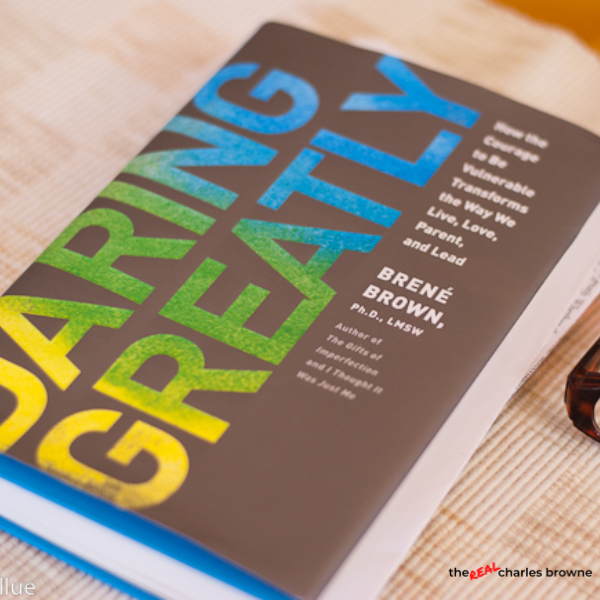
Ever wonder why some people seem to thrive in the face of challenges, forming deeper relationships and leading more fulfilling lives? What’s their secret? According to Brené Brown’s seminal work, “Daring Greatly,” the answer might be their willingness to embrace vulnerability. In this comprehensive review, we’ll dive deep into Brown’s theories and explore how being open to vulnerability can radically transform every facet of our lives, from how we parent and love to how we lead and achieve in our careers.
The Power of Vulnerability: Unpacking Brené Brown’s Vision
Brené Brown starts “Daring Greatly” with a powerful punch: vulnerability is not weakness. In fact, it’s the most accurate measure of courage. Sounds paradoxical, doesn’t it? Yet, as Brown elucidates through years of research, it is by embracing our vulnerabilities that we unlock the doors to genuine connection, creativity, and, ultimately, leadership. How many of us, fearing being seen as ‘less than,’ hide our true selves and miss out on these opportunities?
A Dive into the Research: What Does Vulnerability Really Mean?
Brown defines vulnerability as the emotion we experience during uncertainty, risk, and emotional exposure. It’s that queasy feeling of being on the edge of our comfort zone. However, Brown argues that this discomfort should not be shunned but embraced. Why? Because vulnerability is also the birthplace of love, belonging, joy, courage, empathy, and creativity. When we shut ourselves off from vulnerability, we distance ourselves from the experiences that bring purpose and meaning to our lives.
Transformative Effects of Vulnerability in Leadership
Ever seen a leader who never admits they’re wrong? How relatable are they? Brown argues that the best leaders are unafraid to show their vulnerabilities. This might mean admitting to a mistake or acknowledging that they don’t have all the answers. This human approach to leadership fosters trust and opens up a dialogue of honesty and transparency with their teams.
Vulnerability in Practice: Real-World Leadership Examples
Consider a leader who shares their work-life balance challenges or fears during a company crisis. This doesn’t make them weak; rather, it demonstrates a courage that is both relatable and inspiring. It says, “I am with you, I am you.” And this, Brown suggests, can galvanize teams to greater loyalty and effort.
The Vulnerability Armory: How We Protect Ourselves and Why It’s Holding Us Back
It’s one thing to understand the importance of vulnerability and quite another to live it. After all, showing our soft underbelly can be terrifying. Brown introduces the concept of the “vulnerability armory” — how we shield ourselves from vulnerability. This includes foreboding joy (anticipating tragedy so we’re not caught off-guard), perfectionism (trying to earn approval and acceptance), and numbing (the things we do to avoid feeling discomfort).
Breaking Down the Armory: Steps to Embrace Vulnerability
- Recognize your armor: What are your go-to strategies for self-protection when feeling vulnerable?
- Understand the triggers: What situations or emotions trigger your defense mechanisms?
- Practice mindfulness: Staying present can help you recognize when you’re shutting down emotionally.
Vulnerability in Relationships: The Crucial Role of Openness
In relationships, vulnerability is the glue that binds individuals together. Think about the last time someone opened up to you in a moment of genuine need. That moment likely drew you closer. Brown emphasizes that vulnerability allows us to create deeper, more meaningful connections. It’s about letting go of the need for control and perfection to let a more authentic connection with others emerge.
How to Foster Vulnerability in Personal Relationships
- Share your feelings openly: Communicate your fears and hopes.
- Ask for help: It shows trust and opens up mutual support.
- Be there, genuinely: Listen without trying to fix things.
Daring to Parent: Vulnerability’s Role in Nurturing the Next Generation
“Daring Greatly” also delves into how vulnerability can transform parenting. Brown suggests that showing our vulnerabilities to our children teaches them to accept their imperfections and deal with their emotions openly and healthily. This, in turn, nurtures their resilience and self-worth.
Leading by Example: Vulnerable Parenting in Action
- Admit your mistakes: Show your kids that it’s okay to be imperfect.
- Be emotionally honest: Discuss your own challenges and how you manage them.
- Encourage open dialogue: Let your children express their vulnerabilities without judgment.
Conclusion: The Courage to Be Vulnerable Transforms Everything
“Daring Greatly” is not just a book; it’s a manifesto for living fully. Brené Brown’s exploration of vulnerability teaches us that the courage to be vulnerable is not just about toughing it out alone. It’s about having the courage to show up, be seen, and connect authentically. By embracing vulnerability, we enrich our lives and empower those around us to do the same. So, are you ready to dare greatly?